Gender Equality, Disability & Social Inclusion
At ADI, we define Gender equity disability and social inclusion as, ensuring that our services are equitable, accessible and inclusive for everyone.
ADI's Commitment
ADI’s commitment to human rights is enshrined in our Mission Statement and all work that we do to progress the achievement of the Universal Declaration of Human Rights and related United Nations Sustainable Development Goal (SDGs) 3 on Good Health and wellbeing and SDG 5 promoting Gender Equality. Our work is guided by the GEDSI Strategy.
ADI recognises that gender rights and disability rights are fundamental human rights and are necessary for a more safe, healthy, inclusive and prosperous society.
ADI acknowledges that inclusion and equity are internationally agreed development goal with a focus on equitable, accessible and inclusive opportunities for all, regardless of ability, sex, gender identity, sexual orientation, stature, race and ethnicity, facilitating participation in society for those disadvantaged by their identity.
Therefore, it is critical to address gender inequalities and harmful gender norms, roles and relations and exclusionary practices directly in our programming, and within our systems and processes.
We strive to remove barriers to participation and inclusion and ensure inclusive and empowering practices are part of what we do.
We are committed to ensuring that people at risk of being left out are brought into the process to finding solutions, to equally benefit from the outcomes.
ADI Adopts a Twin-Track Approach
To progress its gender equality, disability inclusion and social inclusion work, ADI promotes and adopts a twin-track approach.
This approach shapes our programming ensuring that there GEDSI approaches and practices are embedded into our existing programs and processes and concurrently targeted activities embedded throughout our operations and program implementation.
ADI works directly with people with disability and their representative organisations, Organisations of People with Disability (OPD) through targeted activities aimed at building their organisational capacity to diversify representation of disability inclusion.
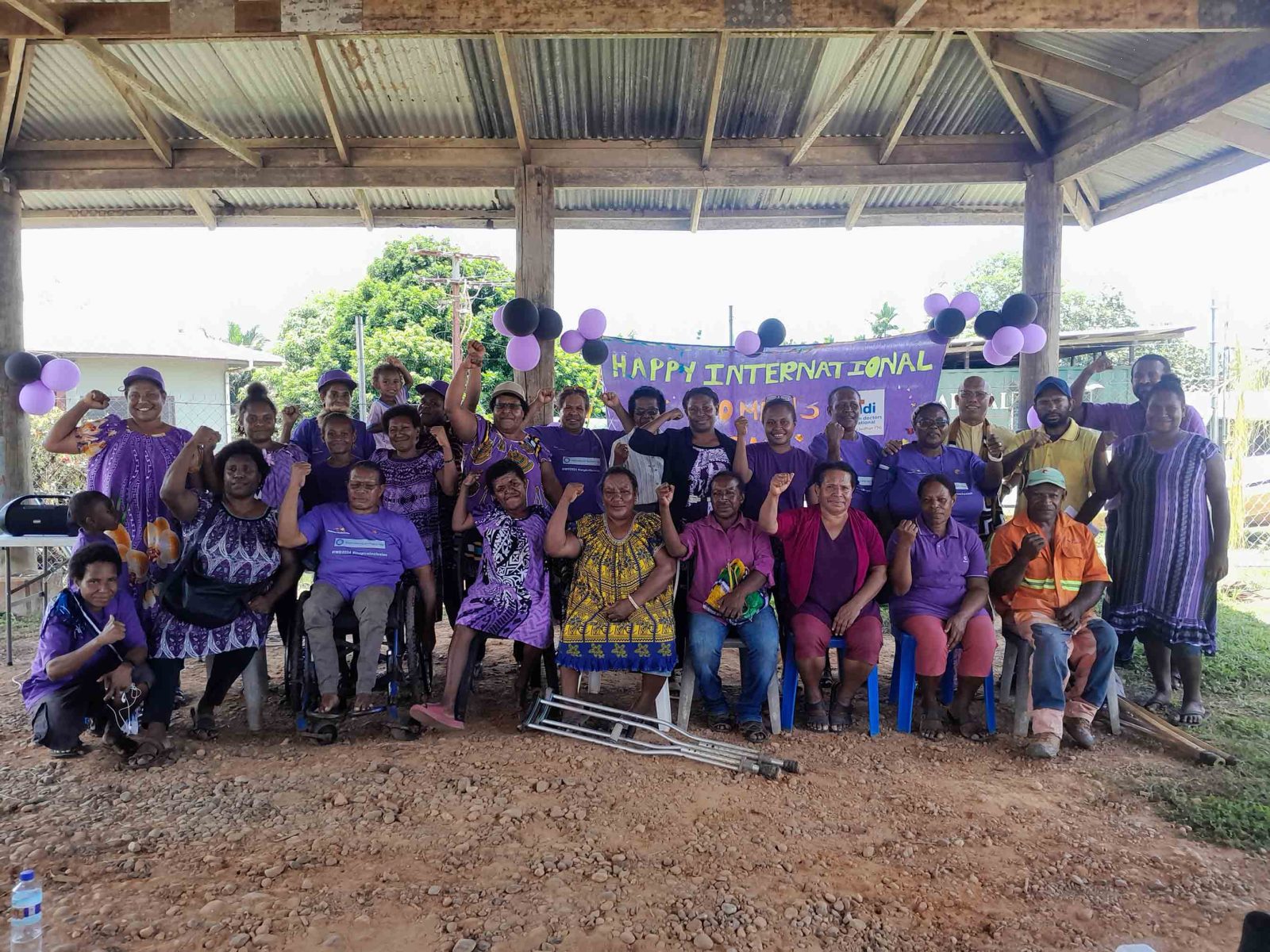
At ADI, we also believe that, when we promote the inclusion and participation of women with disability, we achieve gender equality, disability inclusion and women empowerment.
Therefore, ADI works directly with Women in Disability Network to build their capacity and confidence to advocate for their rights in both mainstreamed gender and women empowerment programs and movements as well as disability inclusion programs.
ADI is also committed to ensure its staff and partner staff are regularly trained on principles and practices of GEDSI to ensure its embedded across the organisation.
ADI is committed to ensure both tracks are sufficiently resourced to achieve equal opportunity and equitable outcomes for all to empower, build capacity and ensure the sustainability of programs, projects and outcomes.
Other Programs

Improving Women's Health
ADI is dedicated to improving maternal health. In Papua New Guinea, a nation where maternal mortality rates are among the highest globally, ranging from 215 to 900 per 100,000 live births. In contrast, Australia’s rate is approximately 20 per 100,000. Contributing factors include limited access to skilled birth attendants - only 56.5% of births are […]
Improving Child Health
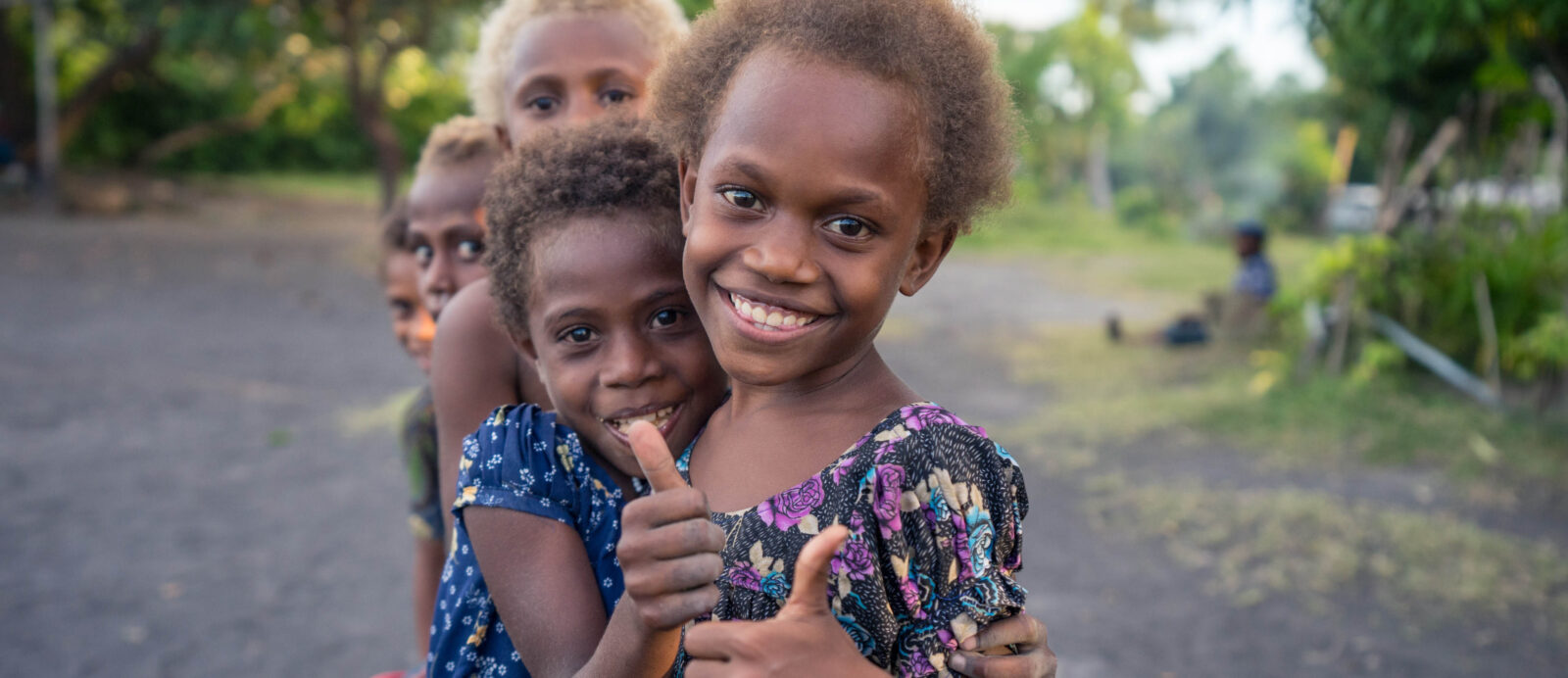
At ADI, we believe that every child deserves a healthy start in life, no matter where they live. In PNG, children in rural and remote areas face significant health challenges, with limited access to medical care, preventive services, and essential health education. Through our programs, we work alongside local health authorities to strengthen child health […]

Gender based violence prevention
Gender based violence is a development issue because it affects everyone on all levels and in all spheres of life. ADI is committed to ensure its staff and those that it serve, live a life, free from all forms of violence. Enhancing SGBV Prevention & Response in PNG In line with its twin-track approach to […]